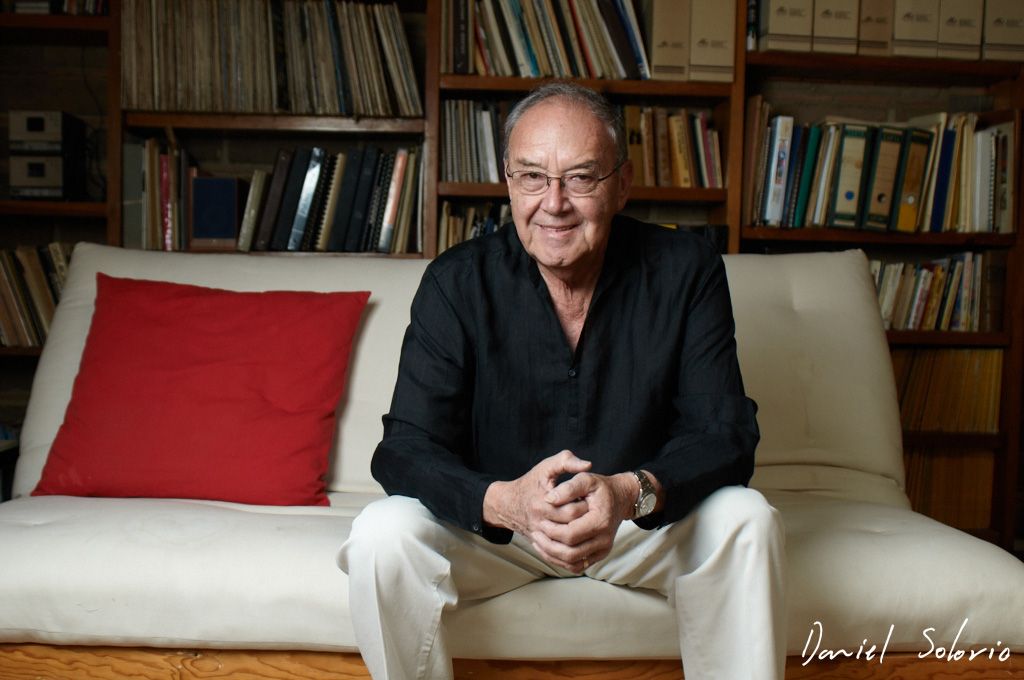
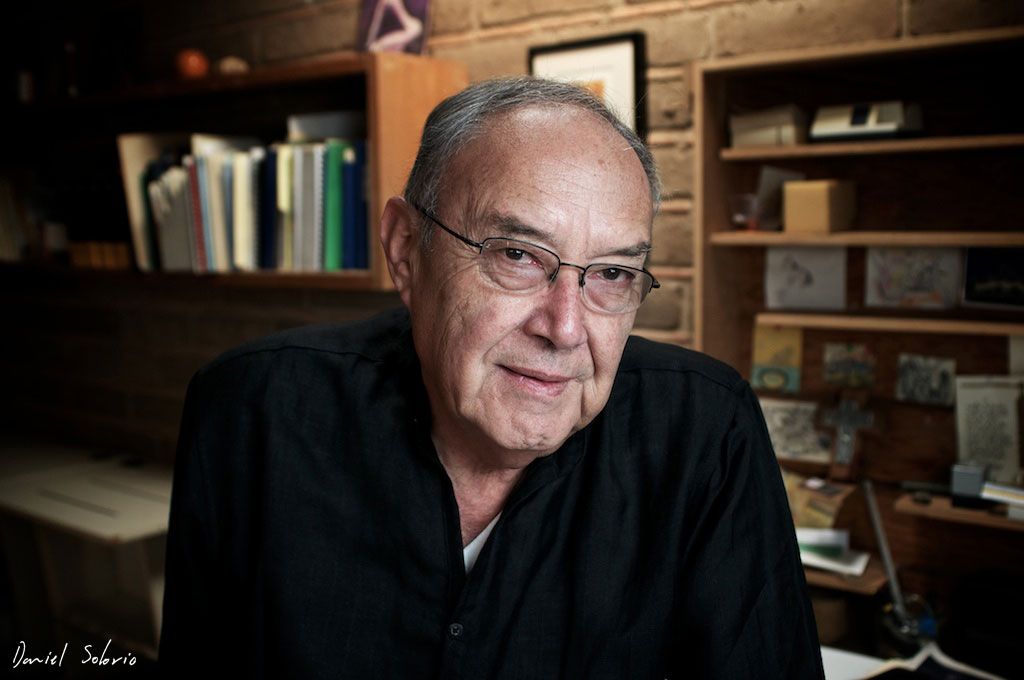
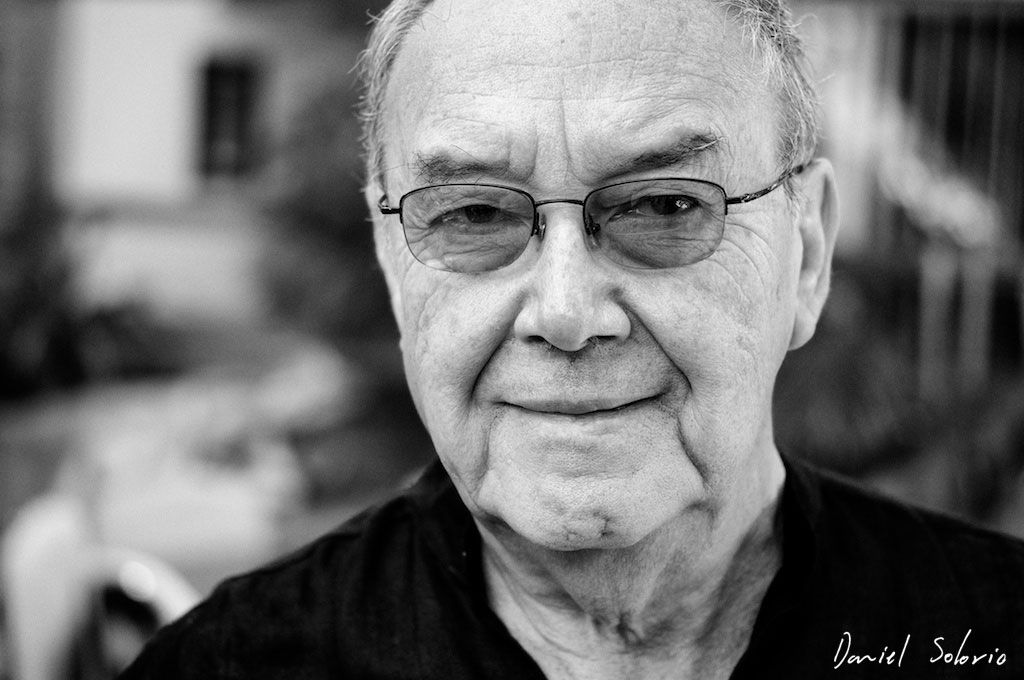
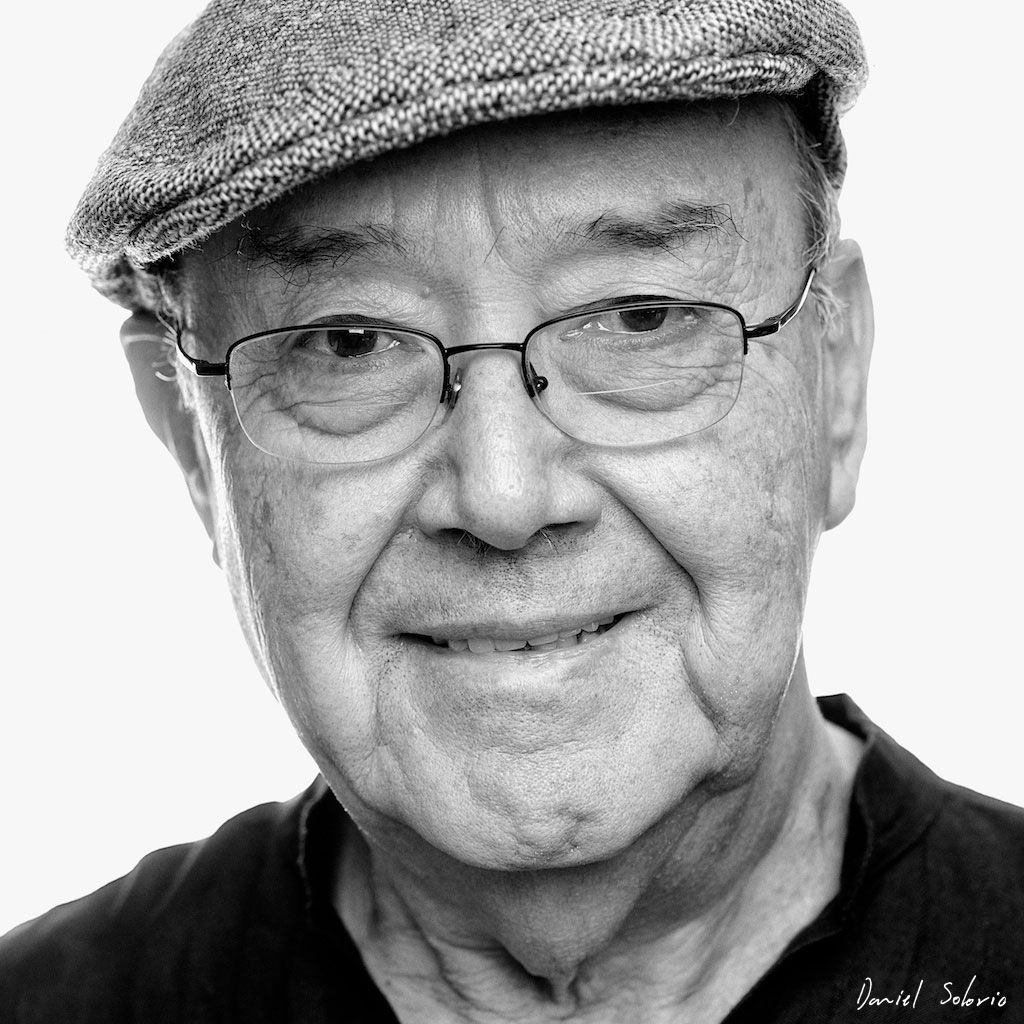
On this occasion, I had the great privilege of capturing a portrait of someone I deeply admire: Architect Victor Lara, the CEO of Lara + Lara Arquitectos, an architecture firm. Engaging in conversation with him, one can't help but wish to turn back time, change career paths, and attend his enlightening lectures.
The photoshoot unfolded in the architect's meticulously designed home, a dream for many architects who aspire to reside in a house of their own creation. The residence boasted inviting spaces, abundant natural light, and, in the architect's words, emanated "good vibes" for its visitors. The unique "L" shape of the house, when viewed from above, was a deliberate choice to preserve the Avocado trees on the property. A funny situation emerged during construction as the neighbors voiced their concerns when they saw 4 adjacent rooms with windows facing the garden and mistook his children's dorms for stables - an unwelcome sight in a strictly residential area.
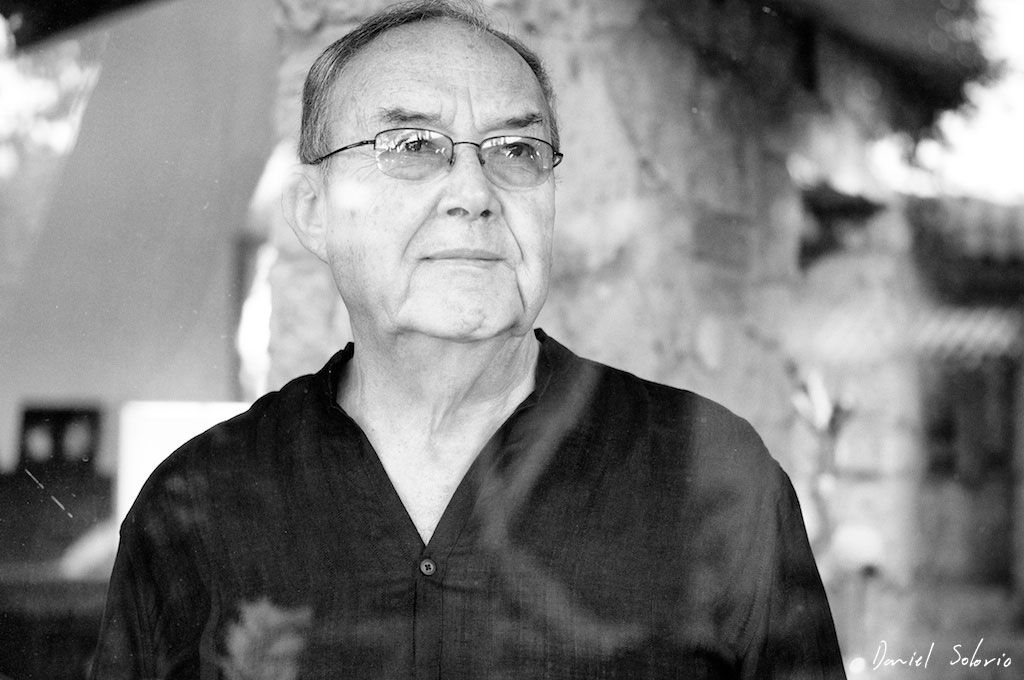
Arriving early for the shoot, I took advantage of the extra time to explore the space, plan my compositions, and envision the frames. My vision included incorporating the house, capturing an image through a window to play with reflections.
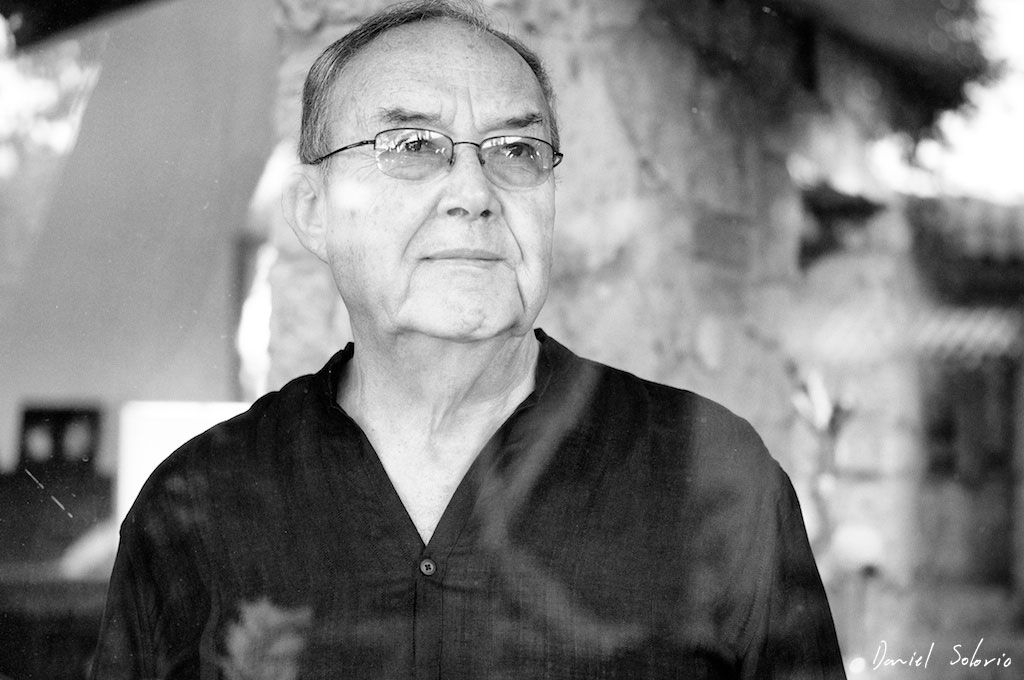
Contrary to my belief, Architect Victor had never been professionally photographed before. Despite an initial sheepish awkwardness, he quickly became relaxed and positive, allowing us to progress through setups efficiently until we reached our final concept - the pinnacle of the shoot.
While providing a tour of his extensive library, Architect Victor revealed that he proudly owned a working vintage 1957 Hasselblad 500C medium format camera (120mm film). Excited at the opportunity to work with a piece of history, we agreed to use this camera for the shoot. However, I could only find one roll of the FUJIFILM Neopan 100 Acros Black & White film needed, meaning we only had 12 frames to work with. With limited options, I saved these precious frames for the last concept - a black and white portrait on a white seamless background.
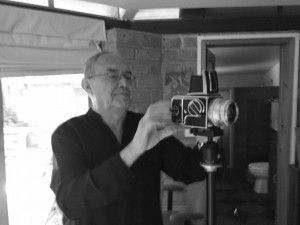
Working with the Hasselblad proved to be quite the challenge - one I fully embraced. For those unfamiliar in using film cameras like these in a professional setting, the photographer must first carefully measure the light with a handheld meter, and then load the camera with a polaroid back, take a test shot, fine-tune the lights, make adjustments, conduct another test, and if all was as expected, switch the back with film to capture the definitive pictures. The entire responsibility rested on the photographer, who had final say when the shoot would finish and assert with authority, "we have it," and the valuable images would be locked away in those magical rolls of film, awaiting processing.
In my case, lacking a polaroid back, I opted to use my Nikon D300 with identical settings to those intended for the Hasselblad - ISO 100, 1/125ft of a second, and ƒ4. The process involved conducting a test to check the background, making adjustments, incorporating the main light, conducting another test, and then transitioning to the Hasselblad. Synchronizing the flashes with PocketWizard Plus III radios, I performed a couple of tests without film, confirming that everything seemed to work before loading the single film roll we had. The Hasselblad, positioned on a tripod at its maximum height, required me to ascend a ladder because its viewfinder was positioned at the top of the device. Leaning over this giant viewfinder for the first time, I carefully focused manually, captured the shot, and advanced the film with a small lever—a transcendent experience that I wholeheartedly recommend my fellow photographers to try at least once. After completing 12 frames, I took a few additional shots with the D300, which, in comparison to the Hasselblad, felt like a toy camera—a safety net. Following these frames, the architect had to abruptly leave for a meeting.
I eagerly took the film for development in the darkroom of my studio, dreaming about how the images would look once developed and contemplating the best way to digitize them. A contact sheet order that I had to settle first heightened the anticipation during the 48-hour wait—a strange feeling for someone accustomed to instant digital results.
In a twist of fate, my surprise turned to disappointment when I collected the film. The film, inexplicably, was neither burned nor exposed during the process, rendering the frames blank!
Fortunately, the digital backup shots that I took proved invaluable, saving the day. This incident underscored the blessing of digital technology and its role in preventing unforeseen mishaps. Thanks to these backups, I have the portrait I set out to take.
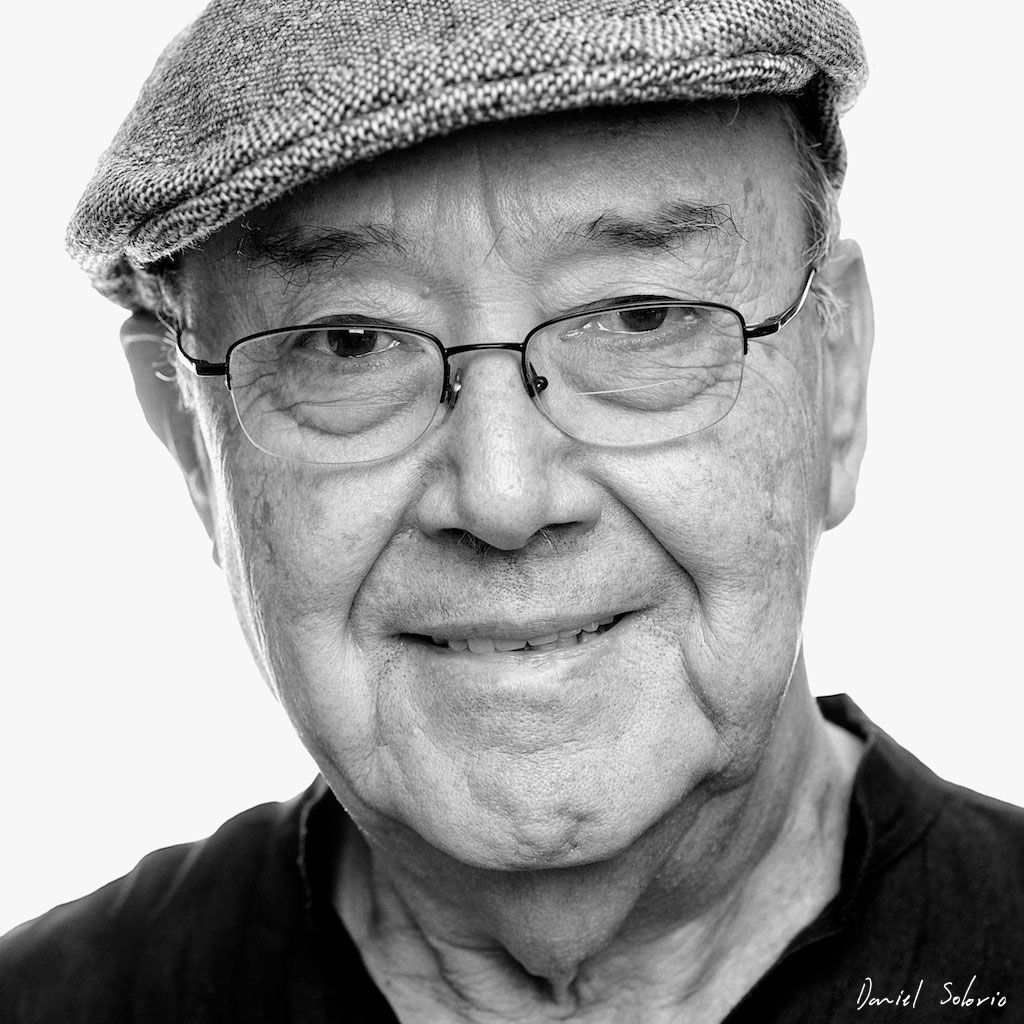
Initially, the overwhelming sensation of failure coursed through me. However, upon reflection, I recognized that it was a simple matter of inexperience. If I had a polaroid backup or if the Hasselblad were my everyday camera, I would have been intimately acquainted with it and would have known the issue that caused this to happen, anticipate it, and avoid it. I suspect that the issue lay in the synchronization of the flashes, but without a polaroid back at the time makes it impossible to confirm with certainty.
Reflecting on the past, photographers were once revered as demigods, alchemists operating archaic relics capable of capturing the essence of beings on film (with some superstitions declaring that each burst of light took away a piece of the subject's soul). However, the advent of digital technology, while greatly opening the industry to casual practitioners, has paradoxically diminished the mystique surrounding photographers. Despite this, the essence of creating compelling images remains challenging, whether with film or digital, and the equipment alone does not guarantee exceptional results.
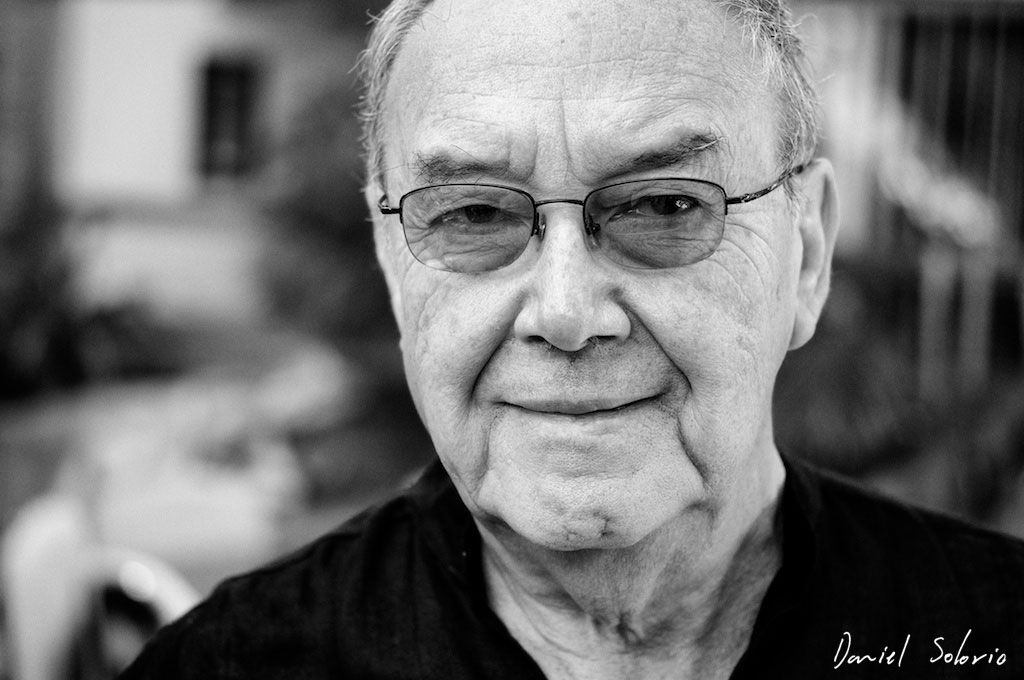
Photographers, akin to architects, embody a fusion of visionaries and problem-solvers, merging artistic ingenuity with technical mastery. In capturing Architect Victor's image, my goal was to parallel his approach to his own architectural masterpieces - utilizing intricate tools and meticulous processes. Much like the journey architects undertake, involving the conception, planning, and execution of building designs, photography demands a careful orchestration of elements to capture a moment in time.
Just as architects collaborate with various professionals in their field, photographers collaborate with light, composition, and the subject to construct a visual narrative. Architects oversee the construction process to bring their vision to life, marrying form and function to create spaces that resonate with visual appeal, sustainability, efficiency, and alignment with the client's goals. Similarly, photographers orchestrate their equipment and creative elements to construct visually compelling images that stand as reflections of fleeting moments.
In the end, I aspire for these photographs to emulate the timelessness and enduring impact of Architect Victor's buildings - a testament to the synergy of vision, craftsmanship, and the ability to encapsulate the essence of a subject. May these images, like architectural masterpieces, endure as timeless pieces that leave a mark, resonate, and weave both Architect Victor's story and my own story in recording it.